How to Use On-Chain Analytics to Time Your NFT Entry
If you want better NFT timing, stop staring at the floor chart first. Start with on-chain analytics. Price is the last thing the market shows you. Wallet behavior usually tells the story earlier. When experienced holders begin accumulating again after a long quiet stretch, or when flippers suddenly stop listing into weakness, that matters more than a dramatic candle on a tracker site.
For blue-chip NFT analysis on a budget, this is good news. You do not need expensive dashboards to spot useful signals. A basic stack of Etherscan, the collection contract, and a marketplace activity feed can get you surprisingly far. The goal is not to predict the exact bottom. That is fantasy. The goal is to avoid buying into obvious distribution, catch improving demand before the broader crowd notices, and stack probabilities in your favor.
Read the Contract Like a Trader Looking for Pressure Points
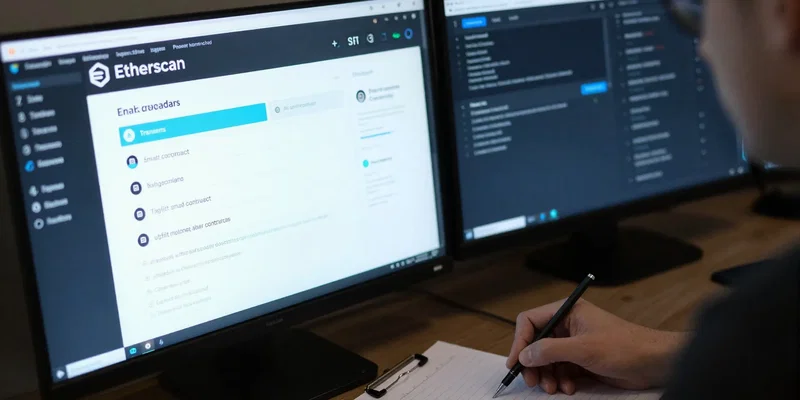
One of the most practical etherscan tutorials for NFT buyers is this: pull up the collection contract and go straight to token transfers, holder distribution, and recent activity. You are looking for pressure. Who is moving size? Are the same wallets cycling NFTs between addresses, or are fresh buyers actually absorbing supply? If a collection has a headline floor recovery but transfers are dominated by internal-looking wallet shuffles, treat that “strength” with suspicion.
Now check concentration. If a few wallets control a big chunk of supply and those wallets have started sending pieces to marketplaces, you may be early to a wave of listings. That does not mean the collection is bad. It means your entry timing might be bad. On the other hand, if large wallets are moving NFTs into cold storage or simply sitting still while listings thin out, that often points to reduced near-term selling pressure. Quiet can be bullish when supply is getting sticky.
Track Smart Money, But Don’t Worship It
People love the phrase “smart money,” and sometimes it is useful. Sometimes it is just hero worship with a wallet address attached. Still, following known collectors, market makers, and strong historical traders can sharpen your read on nft timing. If several respected wallets begin buying into a dull, low-volume range instead of chasing a breakout, pay attention. That kind of accumulation often matters more than influencer chatter or Discord optimism.
But context matters. A whale buying one piece to signal interest is not the same as a whale building size over several days. A wallet that flips quickly across multiple collections may be running a trade, not making a conviction bet. Watch patterns, not isolated transactions. Are they buying into weakness? Are they sweeping rare traits or just scooping floor? Are other solid wallets following, or is the activity staying oddly thin? The strongest signal is usually clustered behavior from multiple capable buyers while weak hands stop dumping.
Use Listing Flow and Sales Velocity to Spot Better Entry Windows
Here’s the thing: entry timing gets much easier when you separate supply changes from price changes. Price can stay flat while the setup improves underneath. Watch how many NFTs are listed, how quickly new listings appear after a sale, and whether buyers are taking the cheapest inventory faster than sellers can replace it. When listings keep getting refilled, any bounce can fade fast. When listed supply slowly dries up and sales still print, that is where timing starts to get interesting.
A simple framework helps. First, note listed percentage of the collection. Second, compare daily sales to daily new listings. Third, check whether the floor is moving because of one flashy sale or because the whole lower end of the order book is being eaten. If a collection has fewer listings, steady volume, and less undercutting, you may be seeing the early phase of a repricing move. If volume spikes but listings balloon even faster, the market may just be handing exit liquidity to people who were waiting for a bounce.
Look for Capitulation, Then Wait for Proof of Absorption
A lot of bad NFT entries happen because people confuse “down a lot” with “cheap.” A collection can be 60% off and still have another ugly leg lower if forced sellers are not done. What you want to find is capitulation followed by absorption. Capitulation looks like panicked listings, aggressive undercutting, and large holders finally giving up. Absorption is what happens next: buyers step in, the cheap supply gets taken, and the floor stops collapsing even though sentiment still feels lousy.
This is where on-chain analytics becomes more than a buzzword. You can actually watch whether the market is absorbing supply. If high-volume sell days are followed by stable or improving holder quality, if new buyers are not immediately relisting, and if the contract activity shows genuine wallet turnover rather than wash-like noise, the setup improves. The best entries often feel slightly boring after the panic, not exciting during it. You are not trying to buy the scream. You are trying to buy the moment the screaming stops working on price.
Build a Cheap Repeatable Process You Can Run in 15 Minutes
If you are doing blue-chip NFT analysis on a budget, the edge comes from consistency, not fancy tools. Open the collection contract on Etherscan. Check recent transfers. Identify any large wallets sending NFTs to marketplaces. Scan holder concentration. Then jump to the marketplace and compare listed supply, recent sales, and undercutting behavior. Finally, pull a few notable buyer wallets and see whether their recent activity lines up with real accumulation or random dabbling. Same routine every time.
My rule is simple: I do not buy because a collection is famous, and I do not buy because somebody says it “looks cheap.” I buy when selling pressure is visibly weakening, better wallets are showing up, and the market is proving it can absorb supply without instantly coughing it back out. That is the practical use of etherscan tutorials and on-chain work for NFT timing. Not crystal-ball prediction. Just cleaner entries, fewer emotional mistakes, and a better shot at being early for the right reasons.